
Joint Health and Mobility: Simple Ways to Keep Your Joints Strong and Active
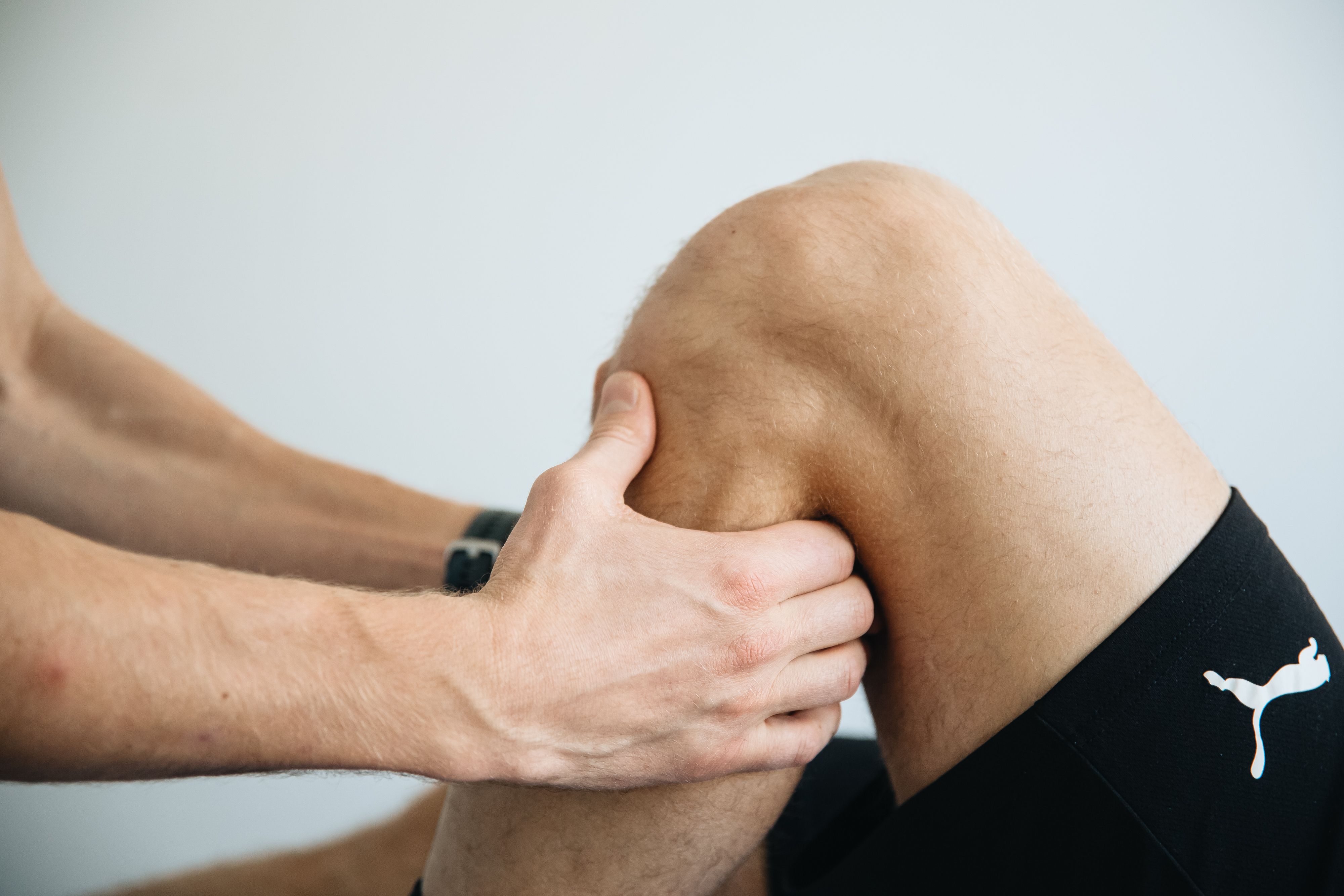
Joints are involved in almost everything the body does — walking, climbing stairs, exercising, even getting dressed — which makes joint health one of the highest-leverage areas for staying mobile and independent as the years go by.
What Affects Joint Health
Joints are supported by cartilage, ligaments, tendons, and the muscles around them. How well that system holds up depends on a mix of factors:
- Age and genetics — some decline in cartilage resilience is a normal part of aging and can't be fully prevented.
- Physical activity level — both too little movement (stiffness) and repetitive high-impact strain (wear) can affect joints negatively.
- Body weight — every extra pound of body weight adds several pounds of load on weight-bearing joints like the knees.
- Previous injuries — old injuries often become the first place stiffness or discomfort shows up later.
The Exercise Habits That Help Most
Regular movement is the single most effective habit for maintaining joint mobility — but the *type* of movement matters:
- Low-impact cardio (walking, swimming, cycling) keeps joints active without repetitive high-impact stress.
- Strength training, especially for the legs, hips, and core, builds the muscle support that takes load off the joints themselves. Beginners should start light and focus on form before adding weight.
- Flexibility and mobility work (gentle stretching, yoga) maintains range of motion — stretching should be gradual and should never be forced through significant pain.
Nutrition and Recovery
Joint health isn't just about exercise — what happens off the mat matters just as much:
- Maintaining a healthy weight reduces the mechanical load on weight-bearing joints directly.
- A varied diet with adequate protein, healthy fats, and hydration supports the tissues around the joint.
- Calcium and vitamin D support bone health, which is closely linked to overall joint function.
- Rest days and quality sleep let the body actually recover from activity — training every day without recovery time often does more harm than good.
Everyday Habits Worth Adjusting
For people who spend long hours sitting, small changes add up: adjusting your workstation to reduce strain, changing position every 30-45 minutes, and taking short walking breaks all help maintain joint mobility outside of dedicated exercise time.
When to See a Professional
Occasional stiffness after activity is normal. Persistent joint pain, swelling, or a noticeable loss of range of motion is worth having assessed by a doctor or physiotherapist rather than working around indefinitely — catching an issue early usually means a simpler fix.