
Yoga for Mind and Body Wellness: Benefits, Simple Practices, and Healthy Habits
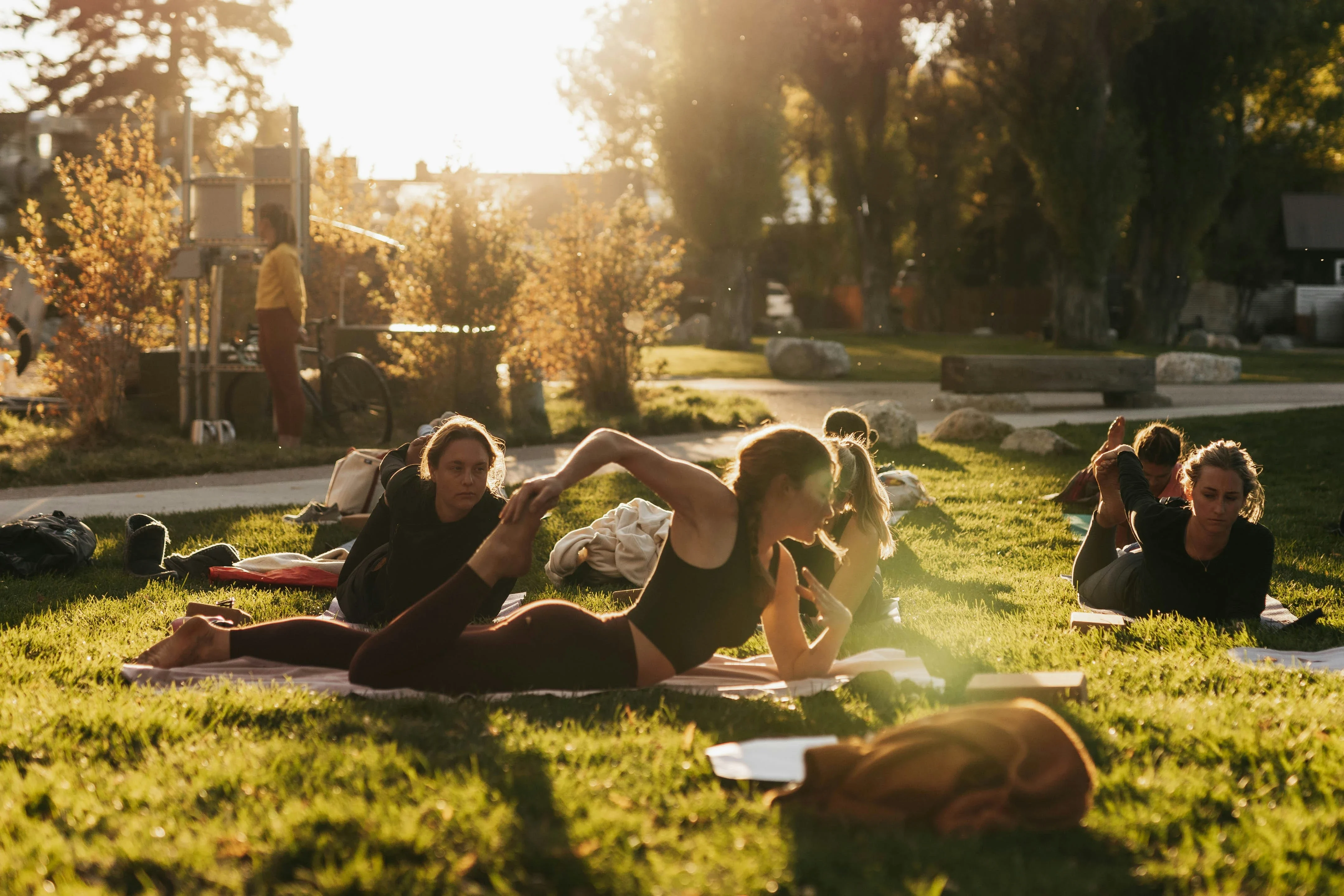
Yoga pairs physical movement with breath and focus, which is why it's become one of the most accessible ways to build strength, flexibility, and calm into an everyday routine. You don't need a studio, special equipment, or years of practice to benefit from it — a consistent 15-20 minutes is enough to notice a difference.
What Yoga Actually Does for the Body
Yoga works on multiple systems at once, which is part of why it's so effective as a single habit:
- Flexibility and joint mobility — slow, controlled stretches gradually lengthen muscles and improve range of motion.
- Core and postural strength — many poses rely on stabilizing muscles in the abdomen and back, improving posture over time.
- Balance and coordination — standing poses train the small stabilizer muscles that everyday movement depends on.
- Nervous system regulation — slow breathing during practice activates the parasympathetic ("rest and digest") response, lowering stress hormones.
Building a Practice That Actually Sticks
The biggest reason people quit yoga isn't the poses — it's trying to do too much too soon. A realistic approach works better:
- Start with 10-15 minutes, 3-4 times a week, rather than an hour daily.
- Anchor it to an existing habit — right after waking up or right before bed, so it doesn't need a separate decision each day.
- Follow a beginner sequence (sun salutations, cat-cow, child's pose, seated forward fold) before attempting advanced poses.
- Use props — a folded towel or cushion under the knees or hips makes poses more comfortable without changing the benefit.
Breathing Is Half the Practice
Most of yoga's stress-relief effect comes from the breathing, not the poses themselves. Diaphragmatic breathing — slow inhales that expand the belly rather than the chest — is worth practicing on its own, even outside a yoga session, whenever you need to reset during a stressful moment.
A Few Practical Notes
Yoga is low-impact, but it isn't risk-free. Move within a comfortable range, avoid forcing a stretch through pain, and if you have an existing injury or joint condition, a physiotherapist or doctor can point you toward poses to modify or avoid. Consistency matters far more than intensity — a short daily practice will do more for you than an occasional long one.