
Heart Health and Wearable Technology: How Smart Devices Can Help You Stay Aware of Your Heart
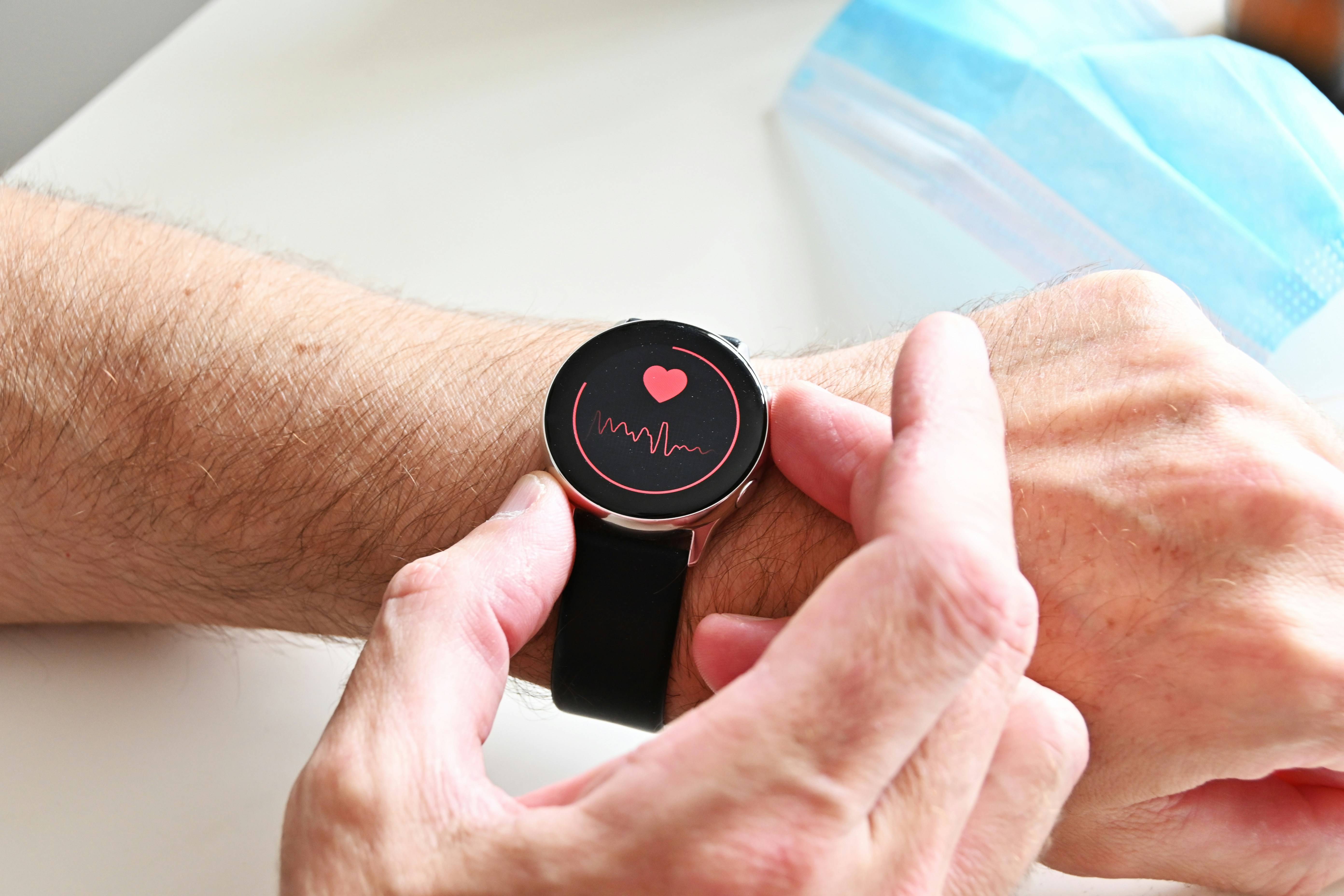
Smartwatches and fitness trackers have made it possible to see heart-related data that used to require a doctor's visit — resting heart rate, heart rate variability, activity levels, and sometimes even an ECG reading, all from a device on your wrist. Used well, that visibility can genuinely support a heart-conscious lifestyle.
What These Devices Actually Measure
Most wearables track a handful of core metrics relevant to heart health:
- Resting heart rate (RHR) — a lower, stable RHR over time generally reflects improving cardiovascular fitness.
- Heart rate variability (HRV) — the variation between heartbeats, often used as a proxy for recovery and stress load.
- Activity and exercise heart rate zones — helps confirm whether a workout is in a fat-burning, cardio, or peak zone.
- Sleep tracking — poor sleep is closely linked to cardiovascular strain, so this data connects back to heart health too.
- ECG and irregular rhythm notifications — available on some higher-end devices, these can flag patterns worth discussing with a doctor.
Using the Data Without Over-Relying on It
The real value of a wearable is spotting *trends*, not treating any single reading as a diagnosis:
- Look at weekly averages for RHR and HRV rather than reacting to one day's number.
- Use activity tracking to build consistency — a daily step or active-minutes goal is more useful than obsessing over exact calorie counts.
- Treat an irregular-rhythm alert as a prompt to see a doctor, not as a diagnosis in itself — these devices are a screening aid, not a medical device replacement.
Building a Heart-Conscious Routine Around the Data
A wearable is most useful when it's paired with the basics it's designed to reinforce:
- 150 minutes of moderate activity per week (or 75 minutes of vigorous activity) is the commonly cited baseline for cardiovascular health.
- Consistent sleep directly affects resting heart rate and next-day HRV — most trackers make this connection visible over a few weeks of data.
- Stress spikes show up in HRV before they show up anywhere else — a noticeably lower HRV over several days is often a sign to prioritize recovery.
The Bottom Line
Wearable technology is a genuinely useful tool for building awareness of everyday habits that affect the heart — but it's a complement to medical care, not a substitute for it. Persistent chest discomfort, unusual heart rate readings, or repeated irregular-rhythm alerts should always be checked by a doctor, regardless of what the rest of the data looks like.